
From “if” to “when”: the business case is changing
As electric vehicles become increasingly familiar on UK roads, many businesses have shifted from asking “if” to deciding “when” and “how” they will support the transition.
EV adoption is rising across Wales and the wider UK, and that brings a growing need for reliable, thoughtfully planned charging infrastructure.
For businesses in Cardiff and beyond, investing in commercial EV charging is no longer just a sustainability signal—it can deliver strategic, operational, and community benefits.
Supporting the shift to electric vehicles in the UK
The UK’s charging infrastructure has expanded rapidly over the last decade, with both public and private deployments contributing to the network drivers increasingly depend on.
For employers and commercial operators, this creates a clear opportunity: convenient charging can make a site more attractive to employees, visitors, and customers.
As EV ownership grows, charging access is becoming part of everyday decision-making—similar to how Wi-Fi or accessible parking became expected over time.
Commercial EV charging: practical benefits for businesses
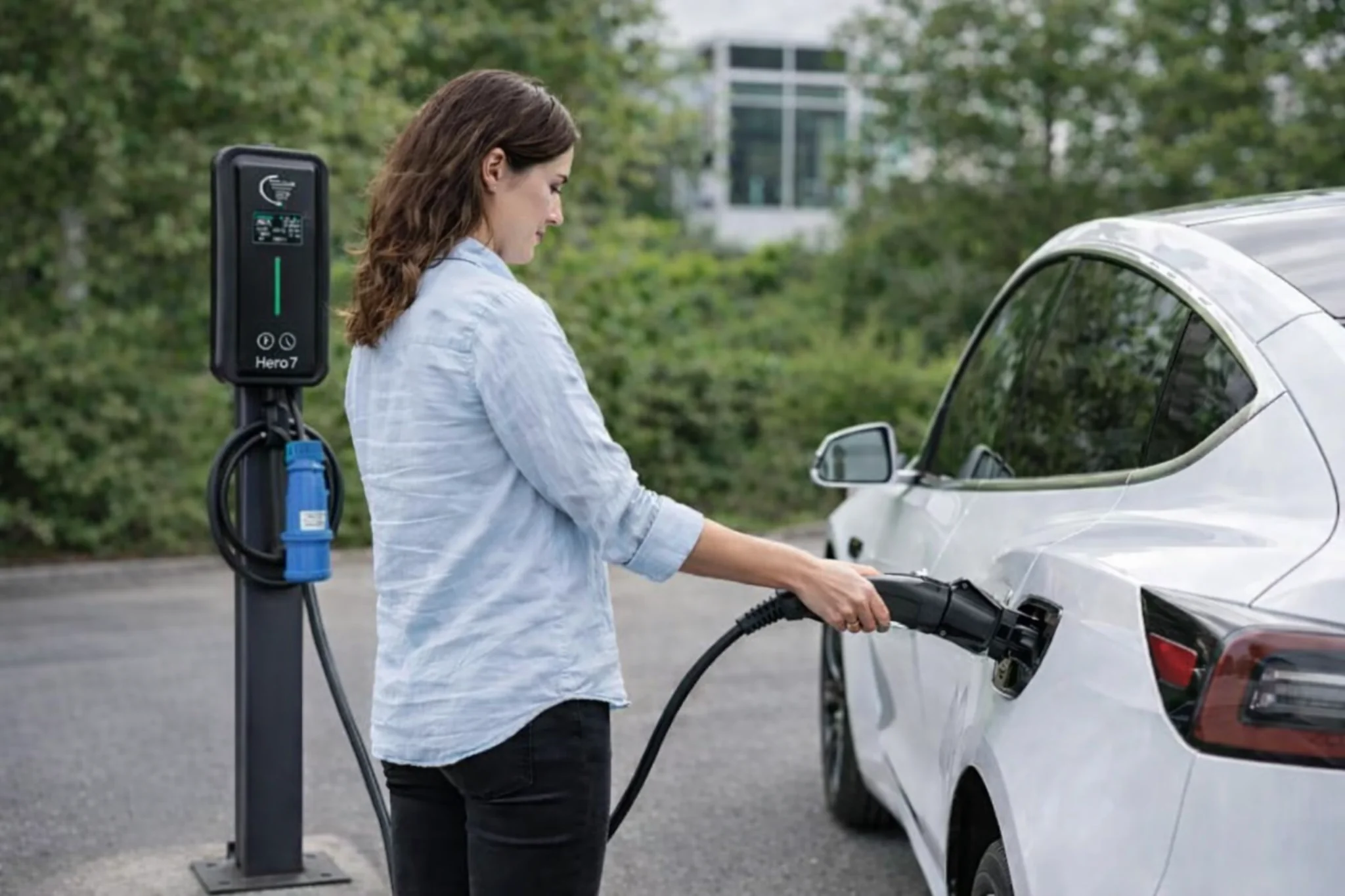
1) Attracting and retaining footfall: For retail, hospitality, and workplaces, EV charging can be a differentiator. Drivers increasingly plan stops around charging availability, and on-site charging can encourage longer stays and repeat visits.
2) Supporting staff and fleet electrification: Many organisations are moving toward EVs for staff and operational fleets. Commercial units designed for frequent use can support multi-user environments without disruption.
3) Contributing to net zero and local policy goals: Businesses can strengthen local charging coverage, reduce emissions linked to commuting, and demonstrate visible leadership on sustainability.
4) Future-proofing facilities: Chargers aligned with modern standards—such as load management and remote connectivity—offer flexibility as usage grows and energy systems evolve.
Why it matters for Cardiff
Cardiff sits within a region experiencing rapid change in transport preferences and infrastructure development.
As EV registrations rise, charging access will increasingly influence where people shop, work, and spend time.
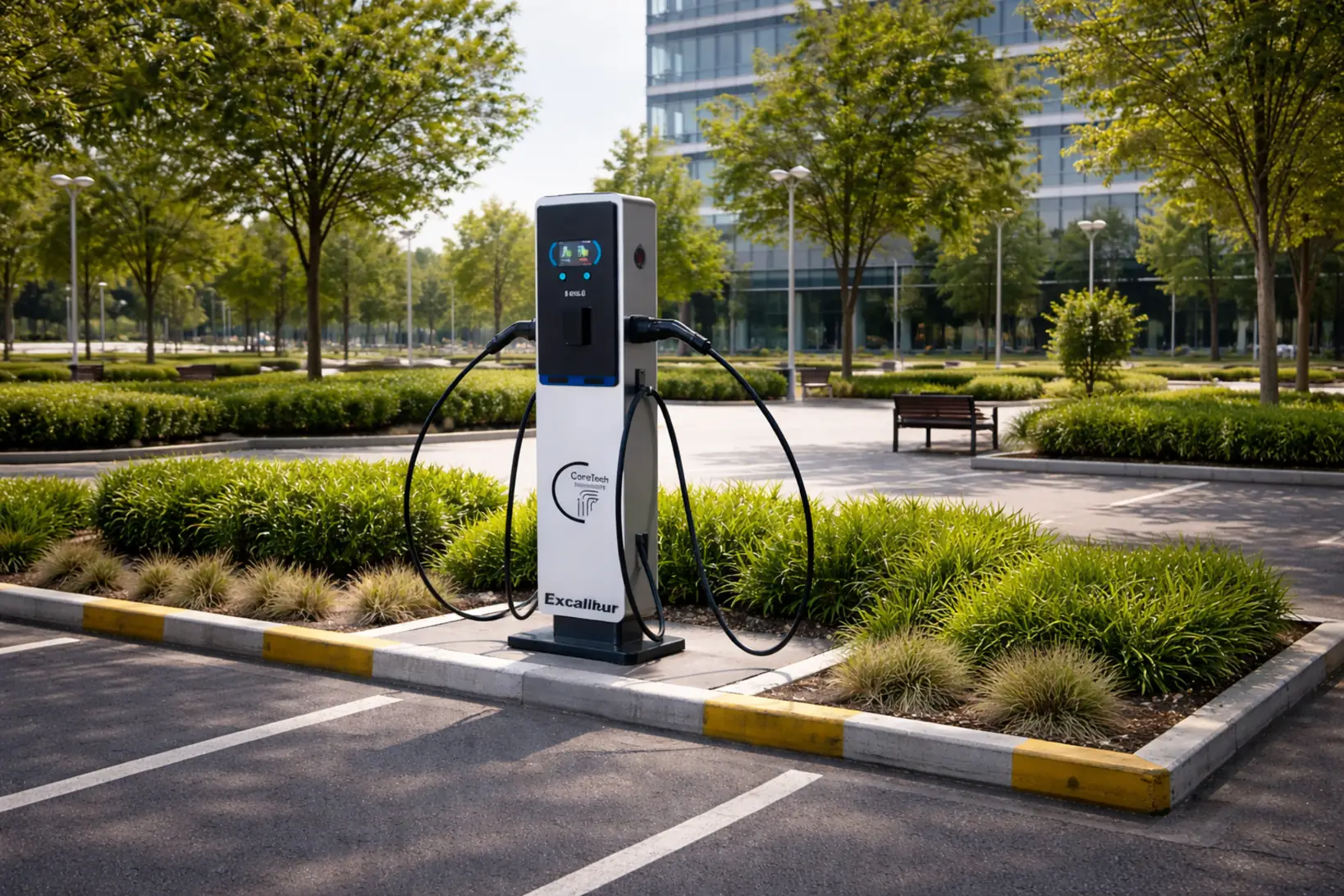
A commercial charger in a central car park, outside a local venue, or at an employment site can become a small but meaningful part of a wider transition—bridging the gap between home charging and public networks.
Looking ahead: the role of smart charging solutions
Businesses that adopt thoughtful solutions now are better positioned for continued EV uptake later in the decade.
Connected and scalable charging technologies can help reduce the need for costly upgrades and allow sites to manage demand more intelligently.
As policy, planning incentives, and grid investment evolve, sites with existing charging infrastructure may also be better placed to benefit from future programmes and opportunities.
Conclusion
Installing a commercial EV charger is about more than meeting an emerging requirement.
It can support day-to-day operations, improve site appeal, and help future-proof organisations as electric mobility becomes the norm.
As more people shift to EVs, workplaces and public destinations that provide reliable charging will be better connected, more resilient, and more responsive to their communities.